The observation of nature has always inspired human beings. Through poetry and the creation of symbols, simple observation has been transformed into reflection, acting on both human and spiritual dimensions. Haiku poetry is a clear example of this process: within a few essential lines, it contains the complexity of the world and of emotional experience.
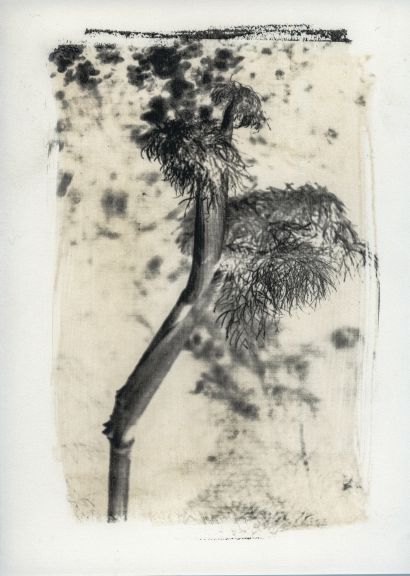
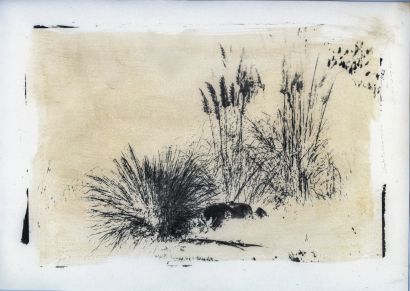
These works originate from a simple photographic gesture and take shape through a slow transformation in the darkroom. During this process, the image gradually detaches itself from the immediacy of the captured moment and from a descriptive relationship with reality. What emerges is a transfiguration in which the natural subject is reduced to a visual sign, approaching a form of writing rather than representation.
Leaves, branches, and vegetal forms lose their literal identity and become traces, rhythms, and densities. The image no longer describes nature, but evokes it — allowing perception to move between presence and absence, visibility and memory. As in language, where symbols carry thought beyond words, these images function as visual fragments open to contemplation.
As Jack Kerouac wrote, “A haiku must be able to create, in the reader’s mind, a small image.”
In a similar way, each work in this project is conceived as a visual haiku: a concentrated gesture in which nature becomes a sign, and the image remains suspended, resonating quietly within the viewer’s gaze.